
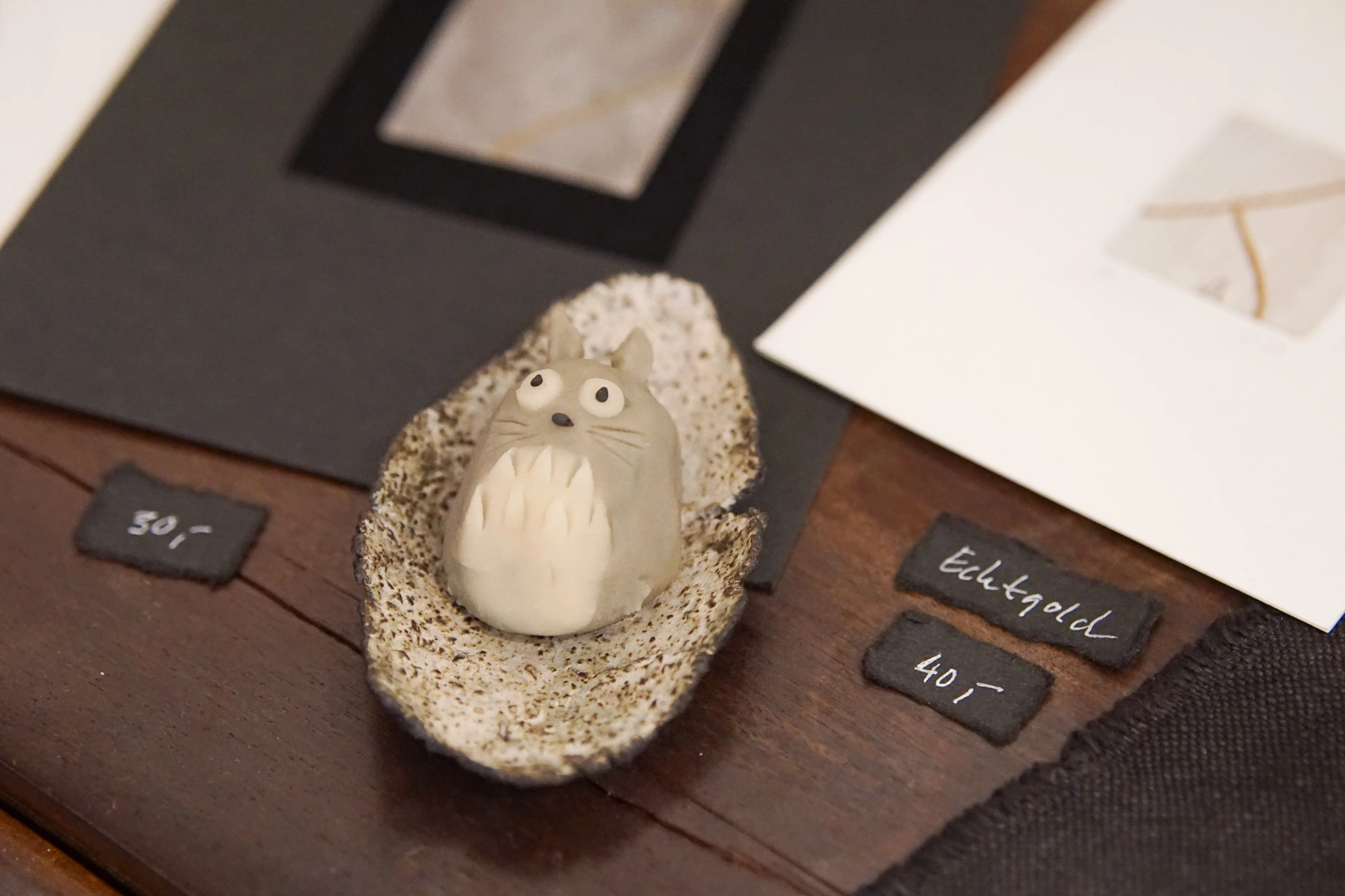
If you’ve ever seen small, detailed sweets served with matcha, you’ve likely come across wagashi — traditional Japanese confectionery shaped by the seasons.
Wagashi is not just about taste. It is closely connected to nature, tea culture, and the idea of paying attention to detail.
What does “wagashi” mean?
The word wagashi (和菓子) simply means Japanese sweets.
- Wa (和) = Japanese style
- Kashi (菓子) = sweets or confectionery
Compared to Western desserts, wagashi are usually less sweet, lighter, and often made without dairy.
What are wagashi made of?
Wagashi are typically made from simple, plant-based ingredients:
- Sweet white bean paste (shiro-an)
- Mochi (glutinous rice dough)
- Sugar
- Natural colorings
The result is a soft texture and a clean taste that pairs well with matcha.

The role of seasons
Seasonality is central to wagashi.
Each sweet reflects a specific time of year:
- Spring → cherry blossoms
- Summer → water, cool tones
- Autumn → maple leaves
- Winter → snow or camellia
These designs are not random — they follow long-standing cultural associations.
What is nerikiri?

Nerikiri is one of the most refined types of wagashi.
It is made by combining white bean paste with a soft mochi dough, creating a smooth texture that can be shaped by hand.
Because of this, nerikiri is often formed into detailed seasonal designs, especially flowers.
It is commonly served in tea ceremony.
Wagashi and tea ceremony
In tea ceremony, wagashi is served before matcha.
The sweetness balances the bitterness of the tea.
But beyond taste, it contributes to:
- Visual balance
- Seasonal awareness
- The overall experience
Can you experience wagashi in Germany?
Yes. While wagashi is still not widely available in Europe, there are opportunities to experience it in a more hands-on way.
If you are interested, I offer a private nerikiri workshop near Düsseldorf, where you can learn the basics step by step in a small group setting.
👉 More details:
Final thoughts
Wagashi is simple in ingredients but precise in execution.
It brings together craftsmanship, seasonality, and presentation in a way that is difficult to understand without experiencing it directly.
Leave a Reply